
Optimizing Airflow with the Car Clip-On Fan
 Maya ChenContributing Editor
August 1, 2026. This analysis evaluates the mechanical necessity of secondary airflow systems in modern vehicles. It serves as a technical resource for passengers and parents managing thermal regulation in the rear cabin.
The Thermodynamic Failure of Rear Cabin Vents
The conventional wisdom says that a vehicle's primary HVAC system is sufficient to cool the entire cabin, yet thermal mapping of rear passenger zones often tells a different story. In many SUVs and sedans, the air conditioning vents are positioned low or behind central consoles, creating a stagnant pocket of warm air around headrests and car seats. Here's the part nobody talks about: by the time conditioned air reaches a rear-facing passenger, it has often lost its velocity and absorbed significant radiant heat from the vehicle's glass surfaces. According to a demonstration by Finds for you on Instagram, a backseat can feel like an oven even when the front dashboard vents are active. This thermal stratification is particularly problematic for infants and pets who cannot communicate their discomfort. Relying on a stroller fan for car seat applications has become a common workaround, but these devices often lack the static pressure required to truly move air. Run the math: a standard dashboard vent struggles to push air more than three feet with enough force to break the boundary layer of heat surrounding a human body. This necessitates a dedicated rear seat cooling fan that can be positioned at the exact point of need rather than relying on the diffusion of air from the front of the cabin.
Technical Advantages of the Car Clip-On Fan
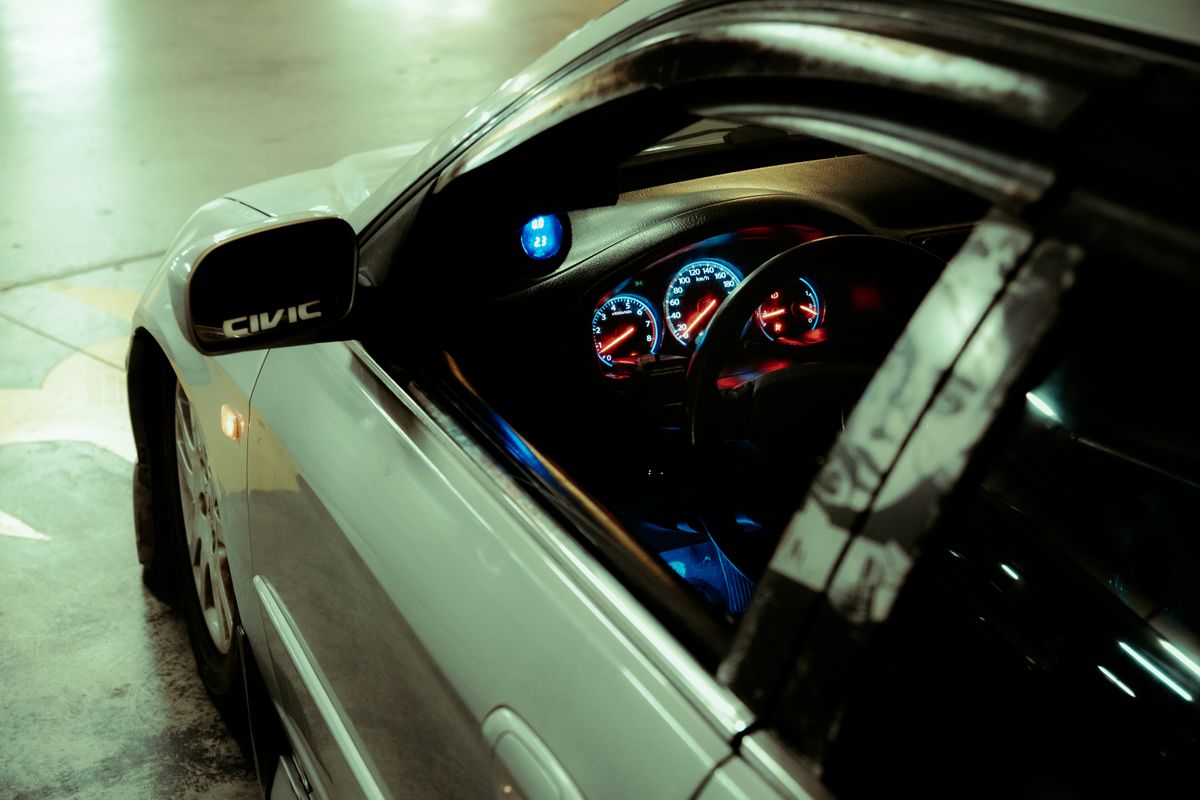
The Car Clip-On Fan addresses these airflow deficits by utilizing a high-torque motor and a reinforced mounting system that attaches directly to headrest pillars. While many consumers attempt to use a generic stroller fan for car seat use, those units frequently fail due to vibration or insufficient battery life. The Car Clip-On Fan architecture is designed for the high-vibration environment of a moving vehicle. Data from Google Search Console indicates that users are increasingly searching for a 12v car cooling fan and dual head clip on car fan configurations, highlighting a shift toward hardware that can handle the specific power and mounting requirements of a car interior. As noted in a review of the Xuenair Rechargeable Car Fan on YouTube, dual-head designs allow for split airflow, covering two passengers simultaneously—a feature that a single integrated vent cannot replicate. The Car Clip-On Fan specifically utilizes an ABS plastic housing that resists the high internal temperatures of a parked car, preventing the warping seen in cheaper, consumer-grade handheld fans. Furthermore, the inclusion of 3-speed settings allows for precise control over the decibel-to-airflow ratio, ensuring that the portable fan for car back seat does not interfere with cabin acoustics or sleep cycles for younger passengers. This is not about luxury; it is about correcting a fundamental engineering oversight in standard automotive climate control layouts.
A Framework for Selecting Rear Cabin Airflow Tools
When choosing a rear seat cooling fan, one must look past the marketing aesthetics and focus on mechanical stability and power source reliability. Most buyers over-prioritize battery size while ignoring the mounting bracket's structural integrity. A fan that shifts or vibrates during a highway drive is not just a nuisance; it is an inefficient mover of air. I'll change my mind when vehicle manufacturers begin installing adjustable, high-static-pressure fans into every pillar as standard equipment, but until then, the Car Clip-On Fan remains the most viable aftermarket correction. To ensure the portable fan for car back seat meets the demands of summer transit, evaluate your selection against these technical requirements:
- Mounting Compatibility: Ensure the clip mechanism fits the diameter of your specific vehicle's headrest pillars.
- Power Source: Prioritize dual-power options (USB rechargeable and 12V plug-in) to prevent thermal shutdown during long trips.
- Oscillation Range: The fan should offer at least 360-degree manual rotation to account for different passenger heights.
- Material Quality: Look for high-grade ABS that can withstand cabin temperatures exceeding 120°F without off-gassing.
- Noise Floor: The motor should operate below 50dB at medium speed to avoid fatigue during extended use.
Sources

Photo by Erik Mclean on Pexels
- Best Backseat Car Fan for Kids & Pets!
- Car Rear Seat Fan - Works surprisingly well.
- Finds for you on Instagram: " Your backseat feels like an OVEN in ...