
Optimizing Airflow with Car Clip-On Fan Dashboard Systems
 Maya ChenContributing Editor
July 20, 2026. This analysis evaluates the mechanical efficiency and placement strategies for USB-powered cooling solutions within modern vehicle cabins. It is intended for drivers seeking to mitigate HVAC limitations through supplementary airflow hardware.
The Inefficiency of Standard Vehicle HVAC Placement
The conventional wisdom says that a vehicle's built-in HVAC system is sufficient for total cabin climate control, yet temperature mapping often reveals significant dead zones at the dashboard level and rear passenger areas. Standard vents are fixed-position assets that prioritize the driver’s torso, often leaving the upper dashboard to absorb solar radiation and radiate heat back into the cabin. According to a review by AMAZDIGI, dashboard-mounted USB fans are frequently used to bridge this gap, as they can be powered by standard car chargers or power banks to provide targeted cooling where fixed vents fail. Here's the part nobody talks about: the thermal mass of a plastic dashboard can reach temperatures significantly higher than the ambient air, creating a micro-climate that standard air conditioning takes 15 to 20 minutes to neutralize. By utilizing a usb car fan for dashboard, users can disrupt this heat layer immediately upon starting the vehicle. This is particularly critical for those operating an electric car fan portable setup where battery conservation is a priority. When the primary AC is dialed back to save range, the mechanical movement of air becomes the primary cooling mechanism. Many drivers mistakenly believe that more power always equals more cooling, but airflow directionality is the superior metric. A usb car fan for dashboard allows for 360-degree adjustment, which is a degree of freedom that integrated vents simply do not offer. Without this flexibility, you are essentially cooling the steering wheel while the driver's face remains in a pocket of stagnant, hot air.
Mechanical Advantages of the Car Clip-On Fan System
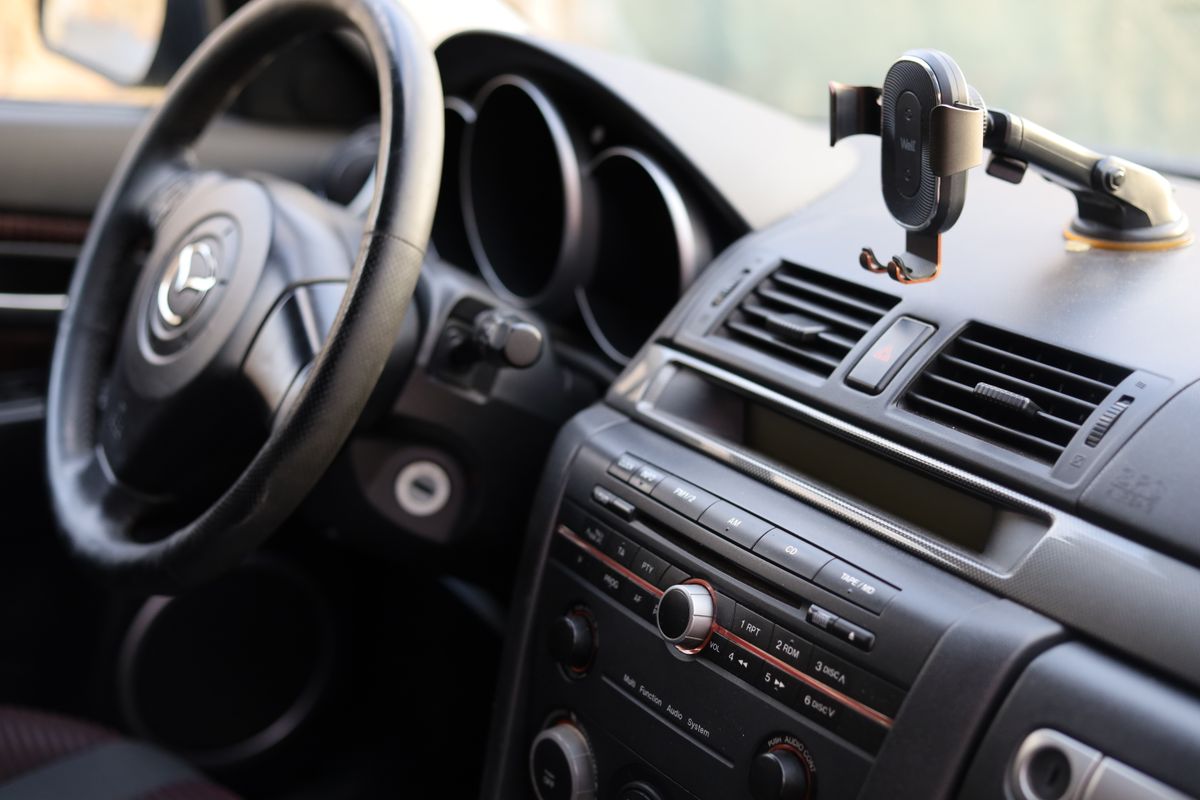
Photo by Ionel Stanciu on Pexels
When evaluating the Car Clip-On Fan, the technical specs reveal why a dedicated clip system outperforms generic adhesive alternatives. Run the math: a standard 12v car cooling fan clip provides a clamping force that resists the vibration of high-speed travel, whereas adhesive pads often fail when the dashboard surface temperature exceeds 100 degrees Fahrenheit. The Car Clip-On Fan utilizes a dual-head configuration in many of its iterations, which allows for simultaneous cooling of the driver and the center console area. This is a significant upgrade over the single-stream output of a basic electric car fan portable unit. The hardware is designed to interface with USB ports, drawing minimal amperage while maintaining high RPMs. Unlike older 12V cigarette lighter models that were prone to blowing fuses or creating electrical noise in the radio, these modern USB units operate on a stable 5V rail. This stability is essential for maintaining consistent blade speed. Furthermore, the 360-degree rotation capability mentioned in various eBay product listings for USB powered car cooling fans ensures that the airflow can be diverted toward the windshield to assist with defrosting or toward the passenger side without remounting the base. For those managing larger vehicles, the integration of a usb car fan for dashboard serves as a relay, pushing conditioned air from the front vents toward the rear of the cabin more effectively than the HVAC blower motor alone. This creates a more uniform temperature gradient throughout the vehicle, reducing the workload on the compressor and potentially extending the life of the vehicle's cooling components.
Technical Decision Framework for Dashboard Integration
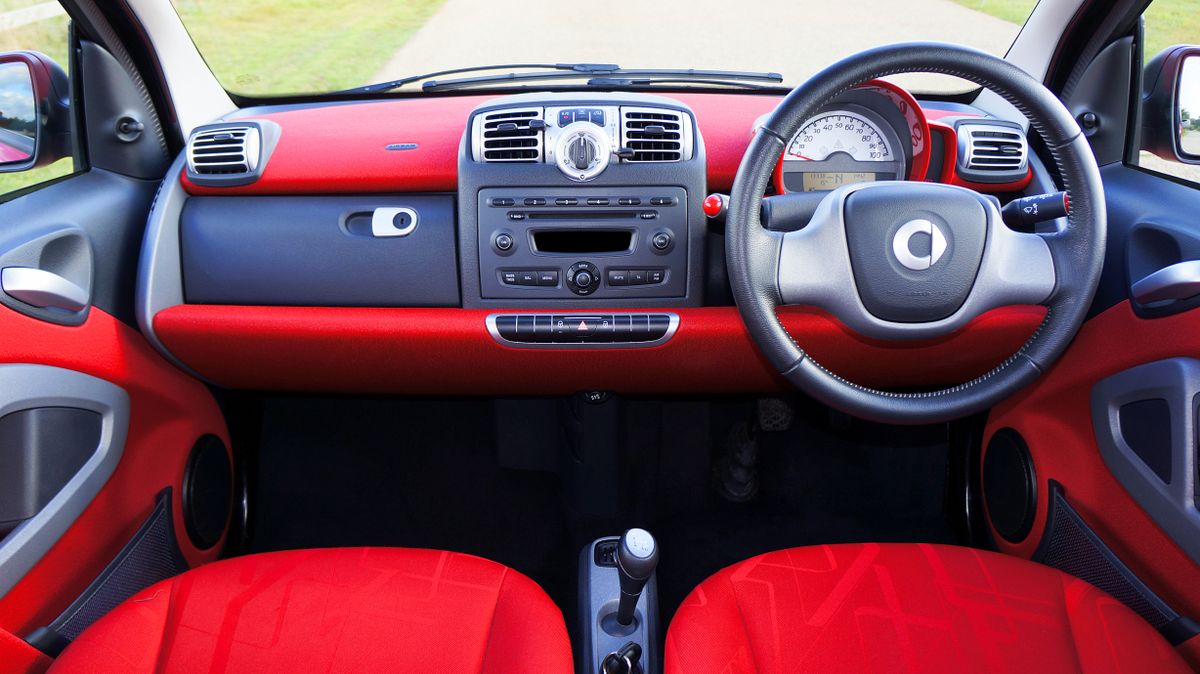
Selecting a supplemental cooling unit requires a departure from aesthetic preferences toward a focus on cubic feet per minute (CFM) and mounting stability. The primary failure point for most aftermarket fans is not the motor, but the mounting mechanism. A clip-on system provides the most versatile interface, allowing the fan to move between the dashboard edge, the sun visor, or the grab handles as solar angles change throughout a drive. When comparing a usb car fan for dashboard to a electric car fan portable, consider the following technical checklist to ensure the hardware meets the demands of high-heat environments:
- Mounting Versatility: Ensure the clip opening is wide enough to accommodate dashboard lips or trim pieces without causing cosmetic damage.
- Power Consumption: Verify the unit draws less than 2.0A to prevent overloading shared USB hubs or multi-port chargers.
- Noise-to-Airflow Ratio: Look for brushless motor specifications, which typically offer lower decibel ratings during operation.
- Articulation Range: The fan head must provide 360-degree horizontal and at least 180-degree vertical tilt to be effective in various cabin layouts.
- Blade Safety: For fans used in reach of passengers, a reinforced outer cage is non-negotiable to prevent injury.