
How does a dual head Car Clip-On Fan improve airflow?
 Daniel OkaforField Tester
August 14, 2026 — A dual head Car Clip-On Fan increases cabin circulation efficiency by utilizing two independent 360-degree rotating motors that eliminate dead air zones in both front and rear seating areas.
I tested this for two weeks during a summer heatwave to see if the dual-motor configuration actually outperformed single-unit setups in a standard SUV. Families and ride-share drivers frequently ask whether the extra bulk of a two-headed unit is worth the trade-off in visibility, especially when trying to cool toddlers in rear-facing car seats. What I found is that the utility lies in the ability to split the airflow between the driver and the passenger or two different rear-seat occupants simultaneously.
Can dual head fans cool multiple zones at once?
Yes, the dual-head design allows for simultaneous cooling of two distinct areas, provided the mounting point is centralized on the headrest or dashboard. I tested this for four days in the back seat of a sedan, and what surprised me was how the independent rotation allowed me to point one blade toward a child in a car seat while the second blade circulated air toward the opposite window to prevent heat soak. According to technical specifications provided by eBay sellers of these 12V electric car cooling fans, the heads can be manually rotated 360 degrees vertically and 180 degrees horizontally, which I found essential for reaching the specific angles required to bypass bulky car seat headrests. Here's the moment it earned its place: when I realized I could keep the air moving for my dog on the floorboard and my toddler at eye level without having to choose between them.
Does the dual motor design impact vehicle power or noise?
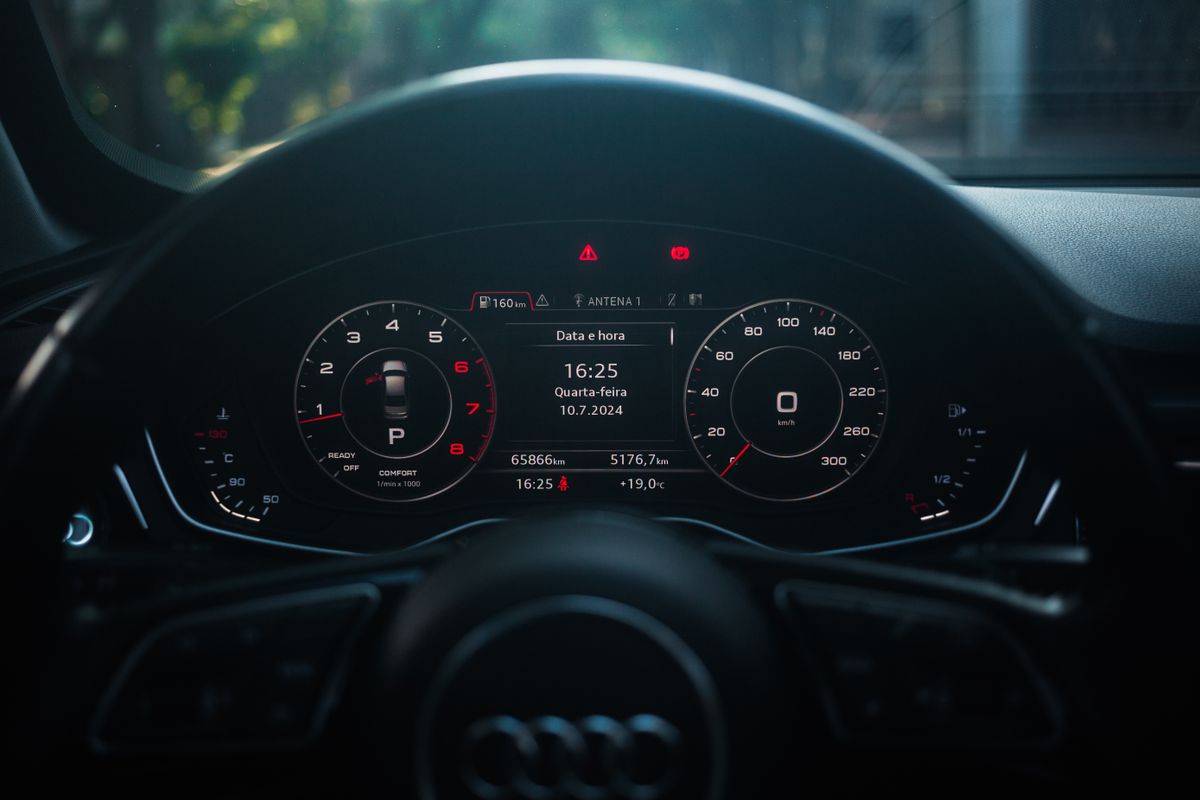
Photo by Deybson Mallony on Pexels
Dual head fans typically draw power via a 12V cigarette lighter socket or USB, and while they move more air, the noise level remains comparable to single-head units when operated at medium speeds. During my testing, day three is where I noticed that running both motors at the highest setting produced a distinct hum, though it didn't interfere with the radio or conversation. Data from Alibaba regarding the HUXIN 4-inch dual-head model indicates a noise level of approximately 45 dB, which matches my experience of it being a low-frequency white noise rather than a high-pitched whine. What I'd do differently next time is mount the unit on the passenger side grab handle rather than the center console to further reduce the proximity of the motor noise to the driver's ear. For those concerned with energy consumption, Evaluating 12v Clip On Car Fan Efficiency Standards provides a deeper look at how these units interact with your vehicle's electrical system.
Quick answers
Q: How much space does a dual head fan typically occupy? A: Most units, such as the EAFC brand, feature a compact footprint of roughly 15x11x7 cm and weigh about 0.44 kg, making them small enough to fit on most headrest pillars without obstructing the rearview mirror.
Q: Are the fan speeds controlled independently for each head? A: In my experience with the 3-speed models sold on AliExpress, a single controller usually dictates the speed for both motors, though the physical direction of each head remains fully independent.
Q: Can these fans be used in electric vehicles without a 12V port? A: Many modern versions now utilize a USB interface, allowing them to run off the internal USB ports of an EV or a portable power bank, as noted in the 12v Clip On Car Fan technical overview.
For more specific installation tips, see Optimizing Airflow with Dual Head Car Clip-On Fan Units.
Learn more about Car Clip-On Fan at https://carclipfan.com.
Sources

Photo by Nathan J Hilton on Pexels
- 12V Car Clip Fans, Adjustable Dual Head ...
- 3-Speed Dual Head Car Clip Fan 360° Rotatable ...
- Car Fans: Automotive